By Franziska Willi for ContactChile
As an active music consumer, self-proclaimed street musician, and busy concert-goer, I have observed the music culture of Chile since I arrived here. On my way through the jungle of auditive sensory perception, the following struck me right away: The music is omnipresent in this country! The towns are alive with musicians that squeeze into the crammed metros and crowded buses, capture local restaurants at lunchtime, or look for the perfect spot on a busy street to offer a nice little serenade. On your way from A to B you are constantly accompanied by music.
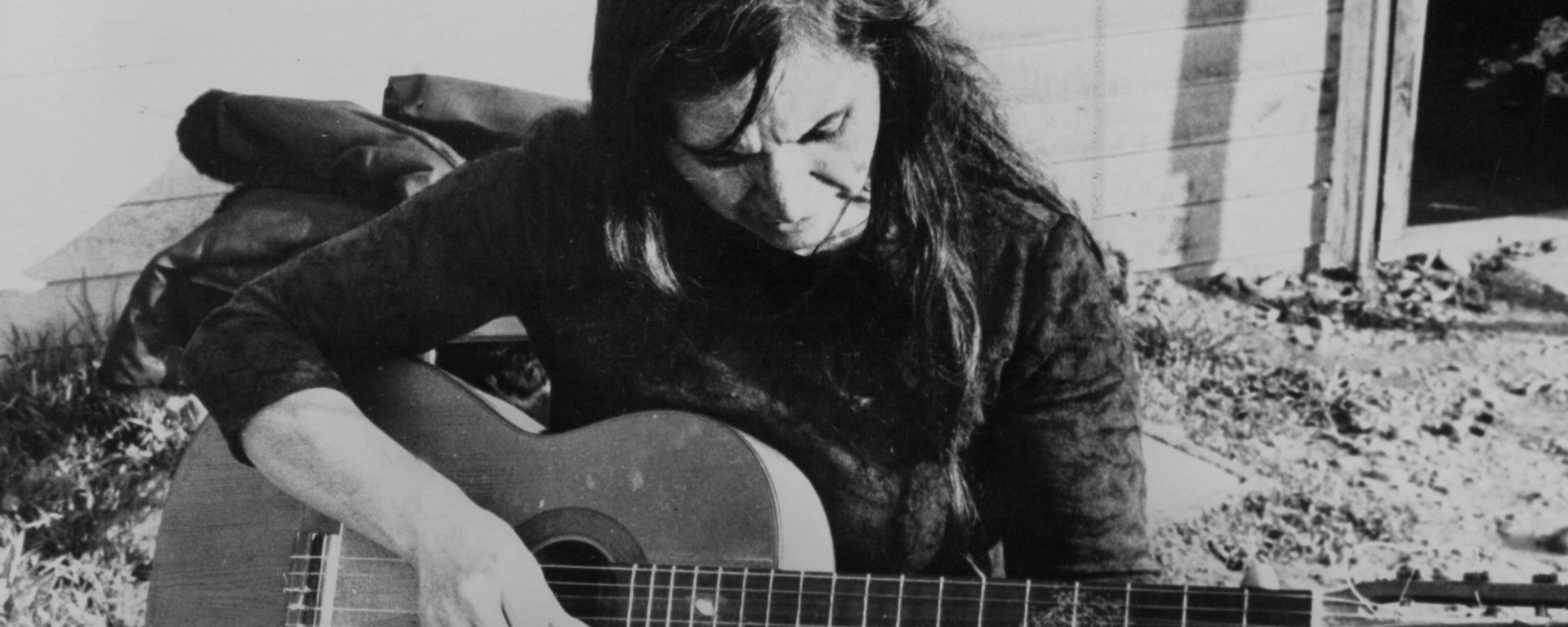
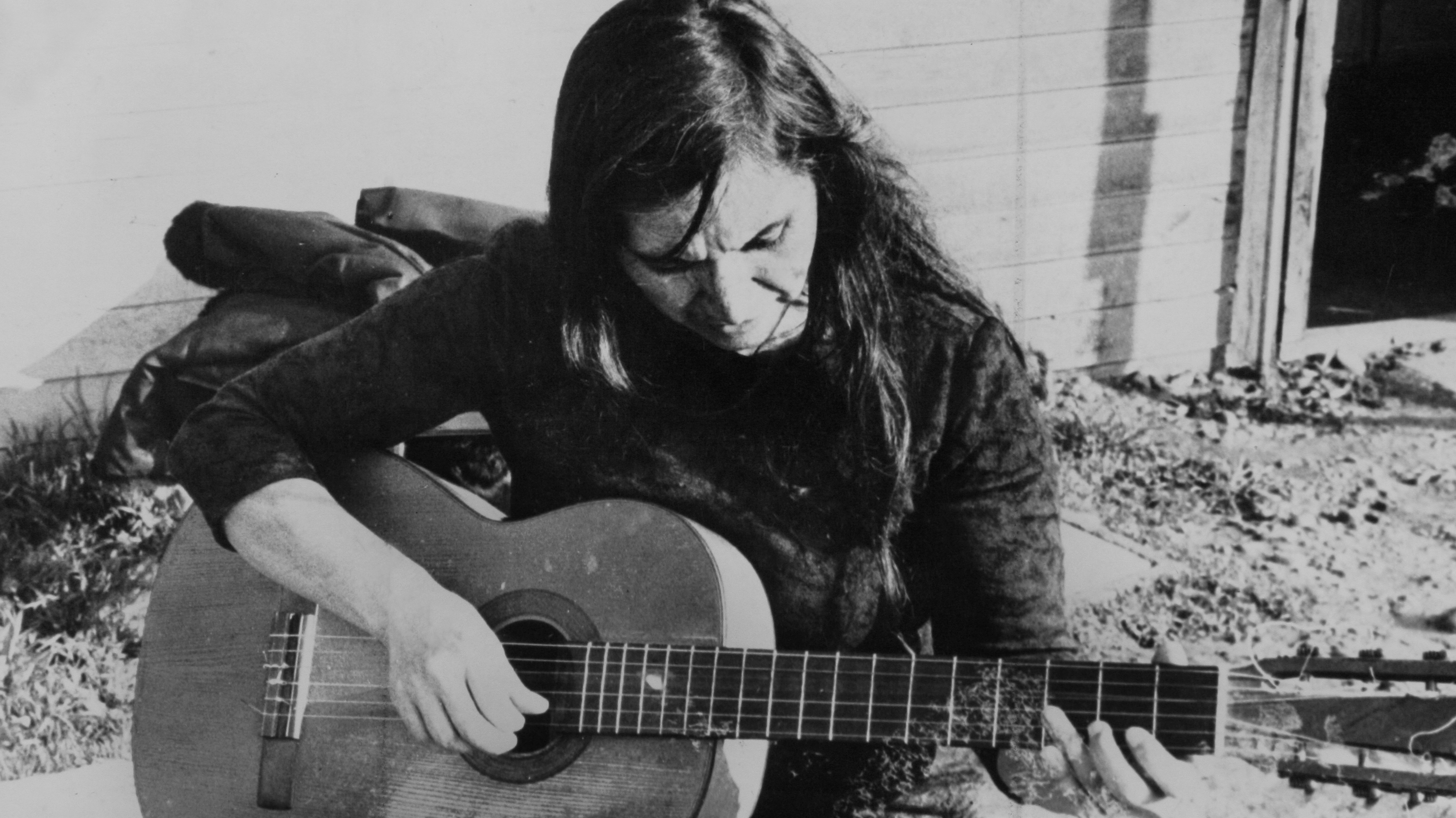
If you ask the locals what they consider to be important Chilean music, one hears two names over and over again: Violeta Parra and Víctor Jara. They are two of the most important and most influential musicians in the history of the country and their songs are still part of the everyday culture. When you sit together drinking tea with a group of Chilean friends, it is very likely that sooner or later somebody grabs the pervasive guitar and sings a song from one of the artistes just mentioned. A good example is “Gracias a la Vida” (Thanks to life) by Violeta Parra (for all the guitarists out there, the chords are: Am, E7, Am, G7, C, C7, F, E7, Am, Dm, E7, Am). While, everyone is singing, clapping and remembering the protest movement Nueva Canción Chilena (new Chilean song): Violeta Parra and Víctor Jara made it their lifelong mission to collect the almost forgotten traditional music, research it and combine it with sociopolitical content. They always criticized rulers and illuminated social injustice. This was also the reason why Jara (also called the Che Guevara of the guitar) was brutally tortured and murdered during the military dictatorship under Pinochet. The biopic “Violeta Went to Heaven” that was awarded several times and the documentary “El Derecho de Vivir en Paz” about Víctor Jara are good introductions to the music and lives of the artists.
The Chileans are very proud of their national dance; the Cueca. In a rhythm of 3/4 or 6/8, the man is prancing around the wooed woman in semicircles. The dancing couple perform dynamic rotations, they provoke each other by each swinging their white cloth (pañuelo) over their heads. The dance is accompanied by the audience with rhythmic applause and by a well equipped band of the following varying instruments: singer, guitar, contrabass, accordion, tambourine, harp, Guitarrón Chileno, Bandurria, percussion, fiddle and piano. This is reminiscent of a mating dance between a hen and a cock where the white pañuelo symbolizes feathers, or the cockscomb. Dependent upon the region, there exist different Cuecas throughout the whole country. Some examples are the Cueca brava which is danced primarily in the capital, the Cueca campesina which is performed in the rural areas of the country, and the Cueca porteña, which has its origins in the multi-coloured city of Valparaíso and tells stories about the crazy life of the harbor. A fabulous place to enjoy the Cueca porteña in all its authenticity is “Isla de la Fantasía” (island of imagination). “Island” refers to the property of Tío (uncle) Beno and Tía (aunt) Nanita who invite others to their miraculous yard every weekend. Here, in a warmhearted and cozy ambience, one can experience the Cueca-spectacle very closely and open air while drinking good Chilean wine and eating tasty Chilenian dishes like “Pastel de Choclo”.
The Cueca is not the only dance performed outdoors. It has become famous to practice many different dances in parks or public places. Those who like to tango can shake a leg every Tuseday in Valparaíso at the square above the “Ascensor de Reina Victoria“. For those who are more into Jazz, may find themselves in a park named “Bustamante” in Santiago, where Swing and Lindy Hop is danced every Sunday.
For all the fans of good live music: you shouldn’t miss the festival season! It not only brings a lot of fun and good vibes, it also allows you to explore the latest hits and trends in the music scene. Taking a look at the this year’s local music festivals, one can see that mostly Crossover music (mixtures of several music genres) rose to high importance. By these means, the mixture of traditional, original sounds and rhythms from all over the world are at stake. Chico Trujillo, for example, brought the masses out to dance at the Festival del Huaso with “Nueva Cumbia Chilena“. Lollapalooza, one of the most important and biggest festivals in Chile, presented the Chilean band Newen Afrobeat, a group that combines Nigerian afro-beats with indigenous music from their own country. Additionally, it has become popular to use the music as a tool to talk about political and social issues. The internationally known, and Grammy nominated singer Ana Tijoux rapped at the festival La Cumbre for the rights of the Chilean woman and against the oppression of the indigenous community while the grandfathers of punk, Los Peores de Chile were putting the heat on the spectators at the Woodstaco festival. And the musicians from the band Inti-Illimani, very important members of the movement Nueva Canción Chilena, were standing on a big stage at the free festival Rockódromo. The passionate performance involved singing together with the crowd a song that had become a symbol of the opposition against the military dictatorship: “El pueblo unido, jamás será vencido” (The people united will never be defeated)!
Lastly, in memory of the birthday of Violeta Parra, the 4th of October was commissioned as “Día de la música y de los músicos chilenos” (day of the music and the Chilean musicians). The omnipresence of the music reaches its highest point on this day with countless concerts of all musical styles all over the country!
 Chileando ContactChile Blog